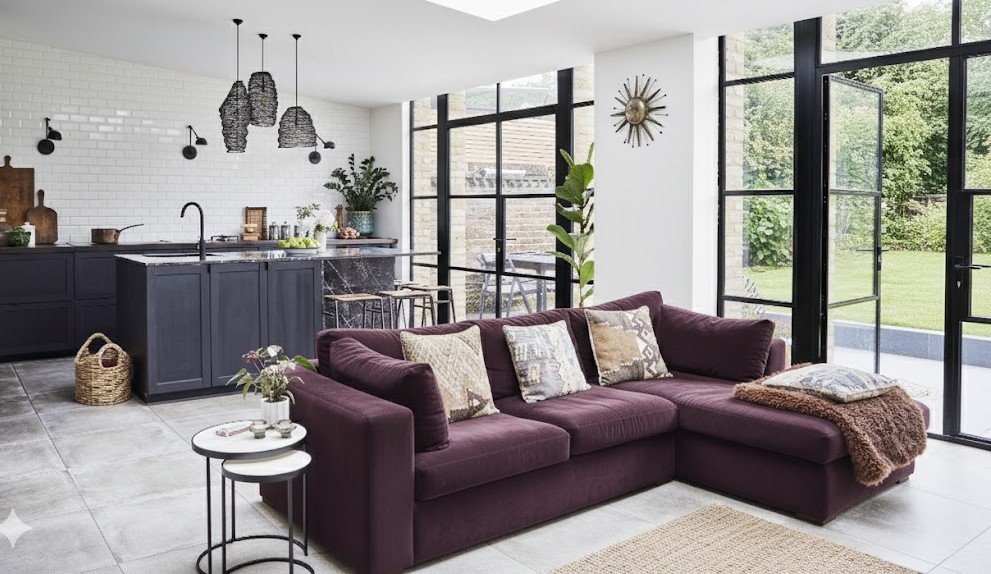
In recent years, the principle of building multiroom audio systems has changed a lot. With the development of technology, and thanks to the growing market, more affordable and simpler options have now appeared.
The scheme with an audio matrix, several sources and a control system has been replaced by a system with separate streamers for each zone, which does not seem very logical, because why not do it in one case, but it turns out to be a cheaper and much more flexible solution.



Therefore, each zone — whether it’s a single room or several rooms combined — has its own streaming amplifier installed.
From there, you can choose your preferred setup options:
The equipment varies in price, functionality, and sound quality, so you can choose the option that best suits your needs.
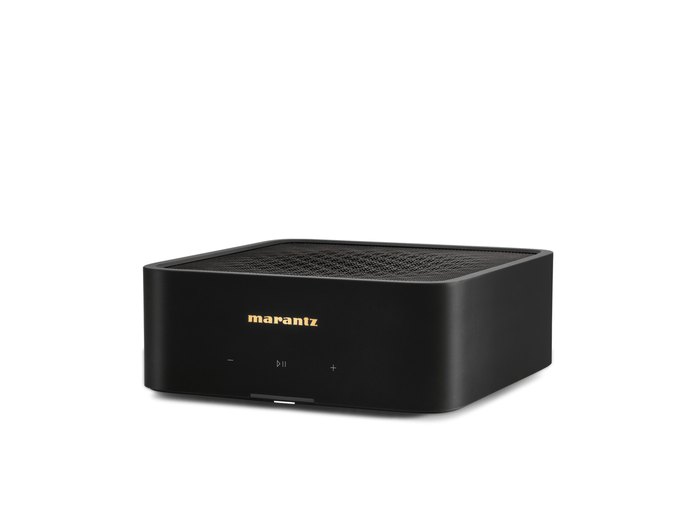
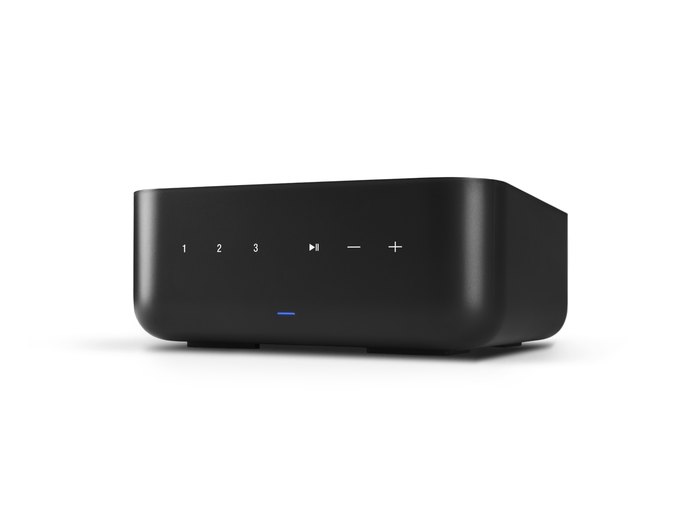
Marantz MODEL M1
Denon Home Amp
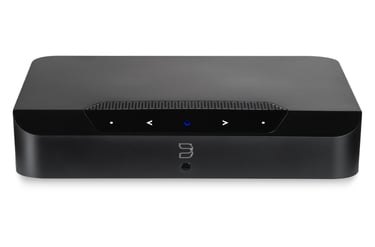
Bluesound POWERNODE EDGE
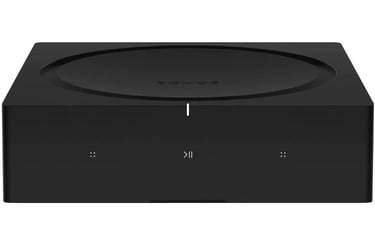
SONOS Amp
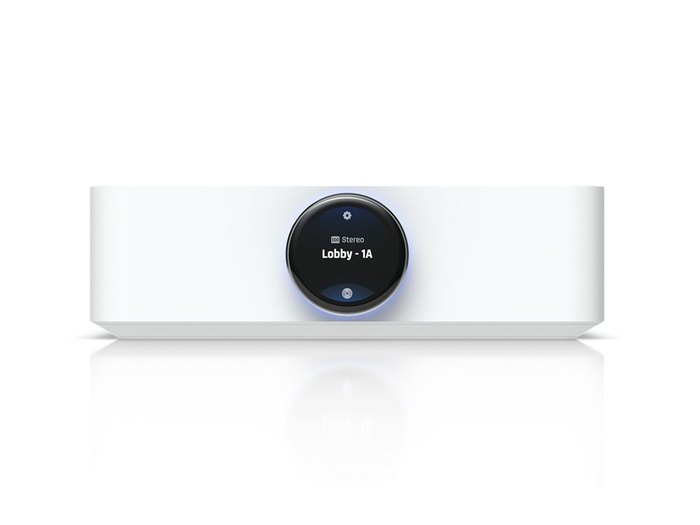
UniFi PowerAmp
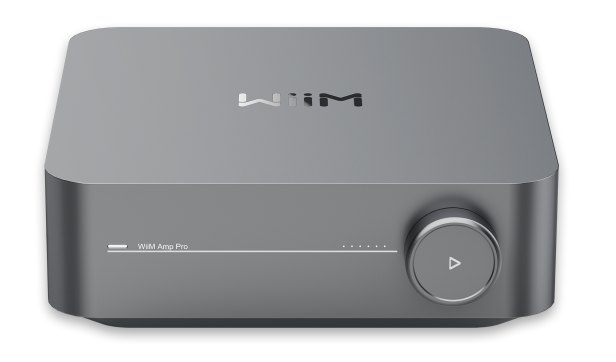
WIIM Amp
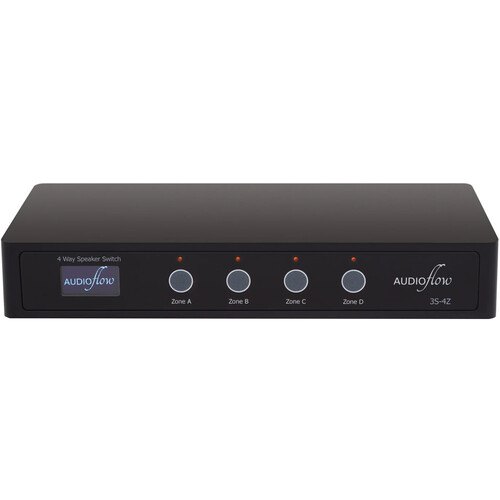
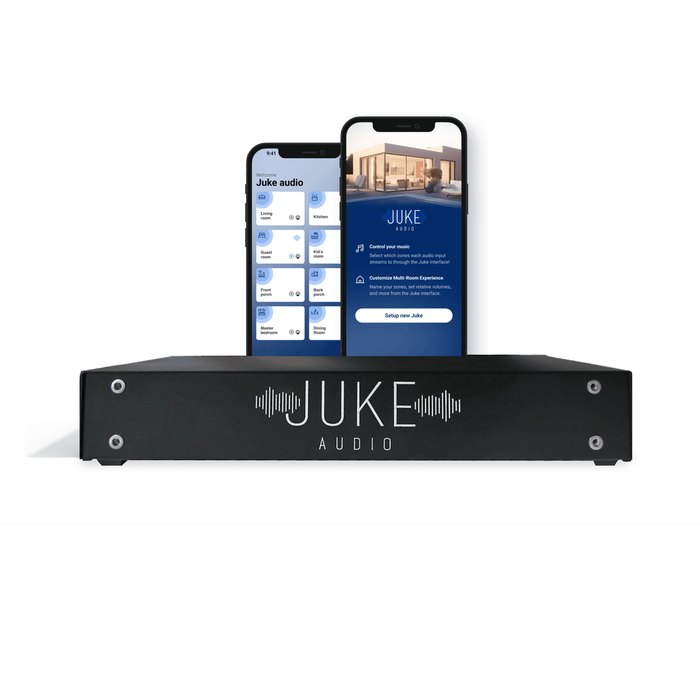
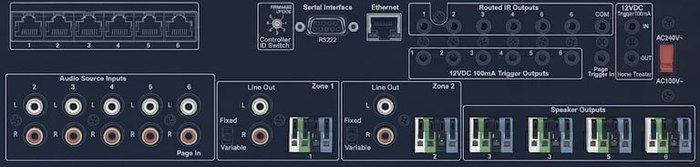
A simpler option is possible if you’re fine with using a single source to play the same music or broadcast across several zones. In this case, one streamer — which could even be a phone or tablet — and a multi-zone speaker selector are enough.
This option is more cost-effective but offers less flexibility and may require additional manual control.
Juke Audio
Audioflow
There’s no exact rule, but a simple guideline is one pair of in-ceiling speakers for every 100–150 square feet. That usually breaks down like this:
Rooms with high ceilings or unusual shapes may need extra planning. It’s not just about how much sound you have — it’s about spreading it evenly.
The goal is clear, consistent sound without quiet areas or spots that are too loud.